
Immediate Disruption of American Women’s Fashion Caused by World War I: 1914 - 1921
FASHION HISTORY
Mankirat Kaur
1/15/20265 min read
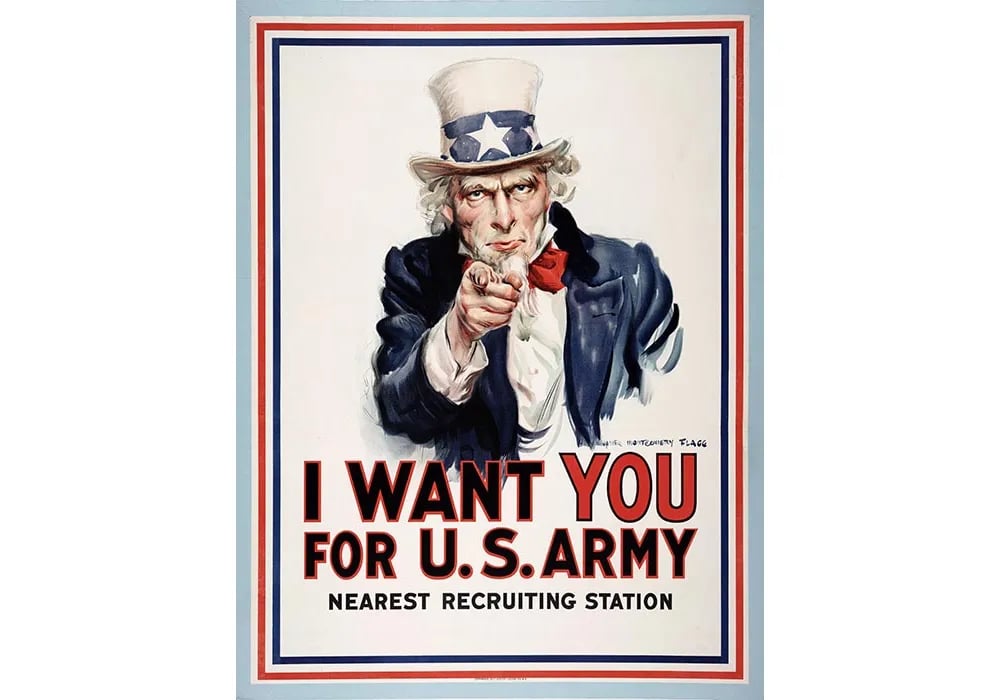
Source: The Huntington Library, Art Galleries, and Botanical Gardens
World War I marked infinite shifts in clothing styles across the world (Haight, 2014). In the US, the majority of apparel factories depended on fashion agents selling legal and illegal imitations copied from Paris designers (Marketti & Parsons, 2007). At first, World World I had little to no effect on America due to its neutral position, and the US kept trading with Germany and England (Johnson, 2014). After joining the war, widely spread propaganda in the US called out women to take up the positions of men who left for Europe during the war (Wilson, 2023). The hard jobs done by women, particularly in industries, farms, and nursing led to a new development of masculine fashion (Bayburtlu, 2020).
In this article, I aimed to identify the fashion developments with a new lens that solely focused on the abrupt female apparel shifts caused by the war in the US’s geographical premises. Five research questions guided this study, (RQ1) Is the topic of American fashion changes caused by World War I generalized by the researchers? (RQ2) What are the methods, media, and items investigated to identify the changes in women’s fashion caused by World War I? (RQ3) What is the time range chosen to understand the sudden changes in American Women’s fashion caused by World War I? (RQ4) What was the situation of the Paris couture industry’s influence in America? (RQ5) What are the major findings of the abrupt shifts caused in American Female fashion?
Understanding the brutalities of fashion in China
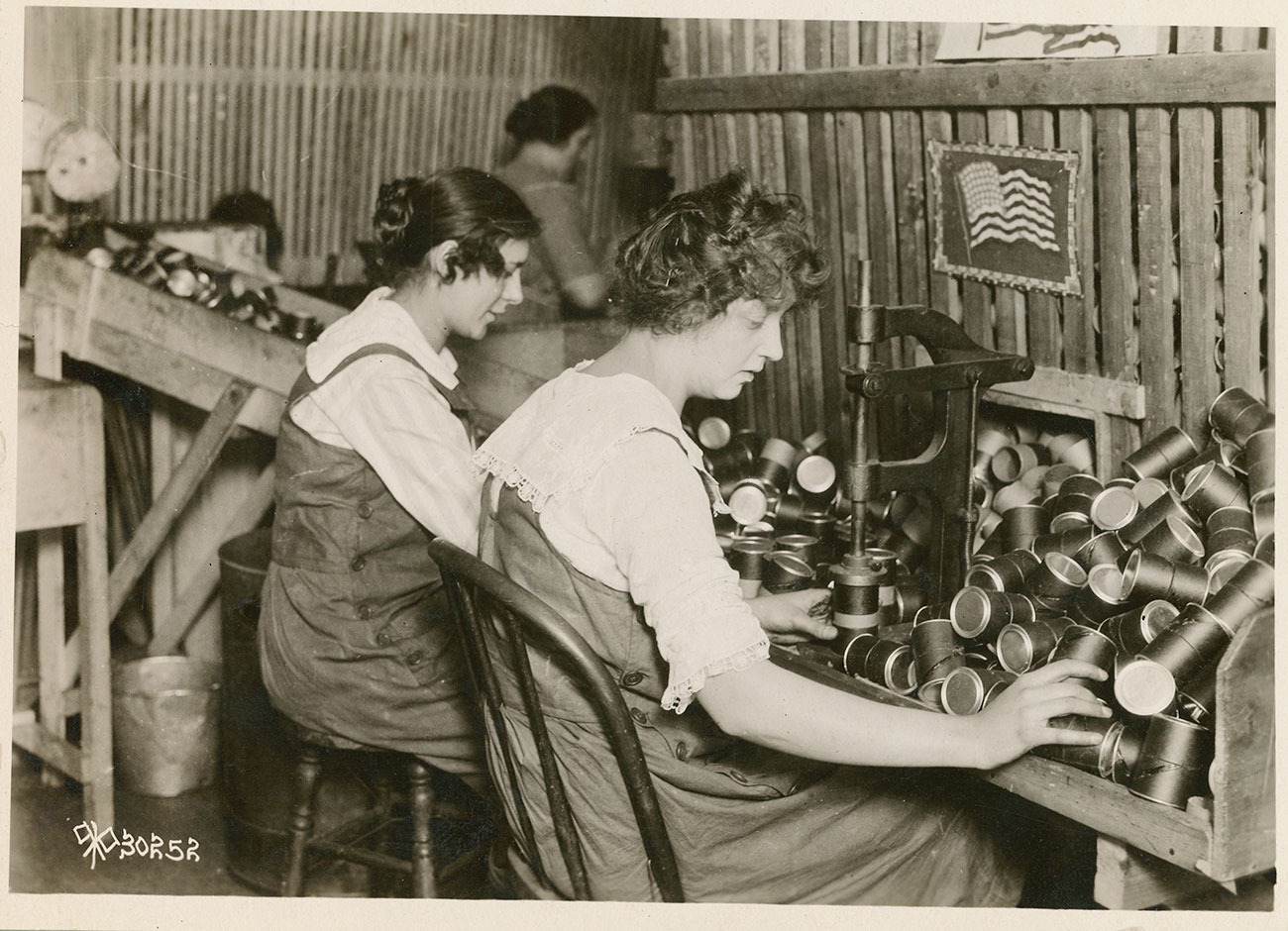
Source: Utah State Magazine
For this systematic review, multiple databases, namely, Academic Search Premier, Google Scholar, Web of Science, Psych Info, ABI/INFORM Global, ERIC EBSCO, ERIC ProQuest, and EBSCOhost were searched by using the following keywords: American Women, World War I, Fashion, Womenswear, and 1900-1925. A total of 41 studies were extracted, including 11 thesis/doctoral dissertation papers, two published books, and 28 published articles from reputed American journals. To investigate the abrupt changes caused by World War I, American years of war were considered and the pre-war stage was taken from 1914 until the official start of the war i.e. April 1917 and the post-war stage lasted from November 1918 to 1921.
Strikingly, three studies out of 13 talked directly about all the phases of war with the context of the US and the direct impact on its womenswear together with one study mentioning the actual time period when America officially entered the war i.e. 1917 and considered the years before as the pre-war phase. On the contrary, the other studies mentioned America’s fashion and war scene together with the international scene which is questionable regarding the reliability of this country’s clothing trends.
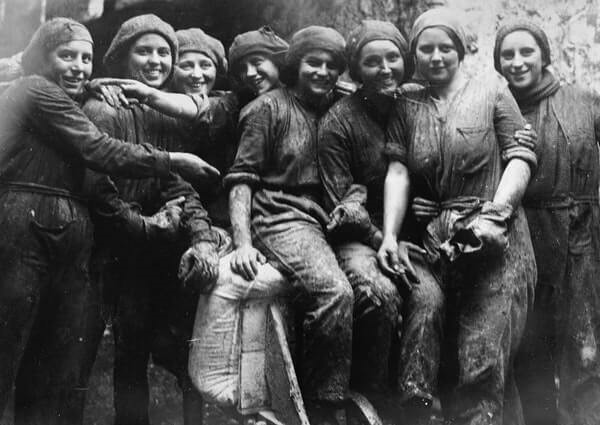
Source: “Women from WW1” by The American Opera Project – CC BY-NC-SA 2.0
External Influence on fashion
For a long time, America has relied upon Paris for various creative inspirations when it comes to fashion. Nine out of 13 studies talked about the significance of Paris couture in America during the war. The majority of studies focused on French fashion to see how the war would invade or disrupt American fashion due to interruption in the Paris fashion industry.
Conclusion
The biggest and fastest change in American fashion caused by World War I was the shift from feminine looks to more masculine. Around 46% of the studies revealed the war to be the top factor in shifting the gender roles and narrations. However, shortening of hem lengths was also mentioned but with the argument that the war was not the reason for the elevation of skirts but it was a push of already occurring stylistic changes in American fashion.
To conclude, it was found that the masculinization of American Womenswear was the most evident abrupt disruption caused by the war. Moreover, the fashion introduced in World War I lasted even after the end. Due to the high generalization of the topic, opportunities lie in analyzing American fashion from a new lens to develop a study that would be autonomous and reliable for only American female fashion during the First World War.
References
Bacsik, R. J. (2014). THE SOCIOLOGY OF FASHION AND REBELLION: 1900-PRESENT (Doctoral dissertation).
Bayburtlu, Ç. İ. M. E. N. (2020). The Effect Of First And Second World Wars In Fashion: Women's Clothing Examples. Zeitschrift für die Welt der Türken Journal of World of Turks, 2(12).
Behling, D. U., & Dickey, L. E. (1980). Haute couture: A 25‐year perspective of fashion influences, 1900 to 1925. Home Economics Research Journal, 8(6), 428-436.
Davies, M. (1982). Corsets and conception: Fashion and demographic trends in the nineteenth century. Comparative Studies in Society and History, 24(4), 611-641.
Field, J. (2001). Dyes, chemistry and clothing: The influence of World War I on fabrics, fashions and silk. Dress, 28(1), 77-91.
Harrison, J. E. (2008). Flappers and their flawless legs: an analysis of advertisements for women's hosiery in Vogue magazine from 1920 to 1929 (Doctoral dissertation, University of Georgia).
Freedman, E. B. (1974). The new woman: Changing views of women in the 1920s. The Journal of American History, 61(2), 372-393.
Haight, B. L. (2014). The Impact of World War I on American Women's Fashion (Honors Senior Theses/Projects, Western Oregon University).
Hall, L. (1972). Fashion and style in the twenties: The change. The Historian, 34(3), 485-497.
Johnson, L. (2014). Evolution of Fashion: Clothing of Upper Class American Women from 1865 to 1920.
Johnson, A. (2018). The War to End All Wars on Ideal Female Figures: An Analysis of WWI and its Effects on US Women's Fashion from 1917-1927. Ursidae: The Undergraduate Research Journal at the University of Northern Colorado, 7(3), 4.
Keist, C., Kadolph, S., & Marcketti, S. B. (2012). Rayon's Introduction to US Consumers, 1911-1924. Journal of Family and Consumer Sciences, 104(2), 45.
Kertakova, M., Mojsov, K., Andronikov, D., Janevski, A., Jordeva, S., Golomeova, S., ... & Ignjatov, I. (2018). Fashion in the early XXth century-analysis of fashion and fashion tendencies during the first and second decade of the XXth century. Tekstilna industrija, 66(2), 35-43.
Marketti, S. B., & Parsons, J. L. (2007). American fashions for American women: Early twentieth century efforts to develop an American fashion identity. Dress, 34(1), 79-95.
McGovern, J. R. (1968). The American woman's pre-World War I freedom in manners and morals. The Journal of American History, 55(2), 315-333.
McGovern, J. R. (1973). The American woman's pre-World War I freedom in manners and morals. Our American sisters: women in American life and thought, 237-259.
O’Brien, P. P. (2013). The American Press, Public, and the Reaction to the Outbreak of the First World War. Diplomatic History, 37(3), 446-475.
Oh, Y. J., & Cho, K. H. (2002). Fashion and Periodic Conditions before and after World War I:-1910s to the Beginning of 1930s. Journal of Fashion Business, 6(3), 60-68.
Paoletti, J. B. (1987). Clothing and gender in America: Children's fashions, 1890-1920. Signs: Journal of Women in Culture and Society, 13(1), 136-143.
Presley, A. B. (1997). Fifty years of change: Societal attitudes and women's fashions, 1900–1950. The Historian, 60(2), 307-324.
Rabinovitch-Fox, E. (2015). [Re] Fashioning the New Woman: Women's Dress, the Oriental Style, and the Construction of American Feminist Imagery in the 1910s. Journal of Women's History, 27(2), 14-36.
Stuart, M. L. (2021). Wartime marketing of Parisian haute couture in the United States 1914-1917. In M. Bass-Krueger, H. Edwards-Dujardin, & S. Kurkdjian (Eds.), Fashion, society and the First World War: international perspectives (Chapter 1). Bloomsbury Academic.
Wilson, M. G. (2023). " Fighting A Losing Battle": The Influence of World War I on the Masculinization of Modern Women's Fashions in the 1920s. Kent State University.