Understanding Digital Fashion Terminologies Powered by Digital Fashion Mindset Course
INNOVATION IN FASHION
Mankirat Kaur
8/6/20252 min read
Credit: Freepik.com
Digital Revolution: The Digital Revolution occurred in the late 20th century, shifting from paper-based systems to machines for communication and work improvement, facilitated by technologies such as the internet, computers, and mobile phones.
Industry 4.0: Industry 4.0, an extension of the Digital Revolution, emphasizes smart technologies, real-time data, and connectivity across industries.
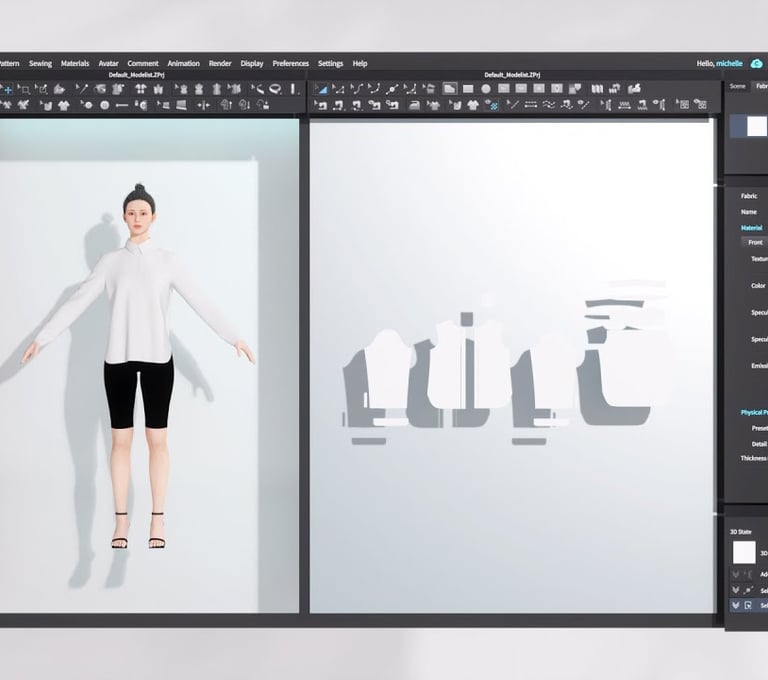
Credit: Clo3D software website
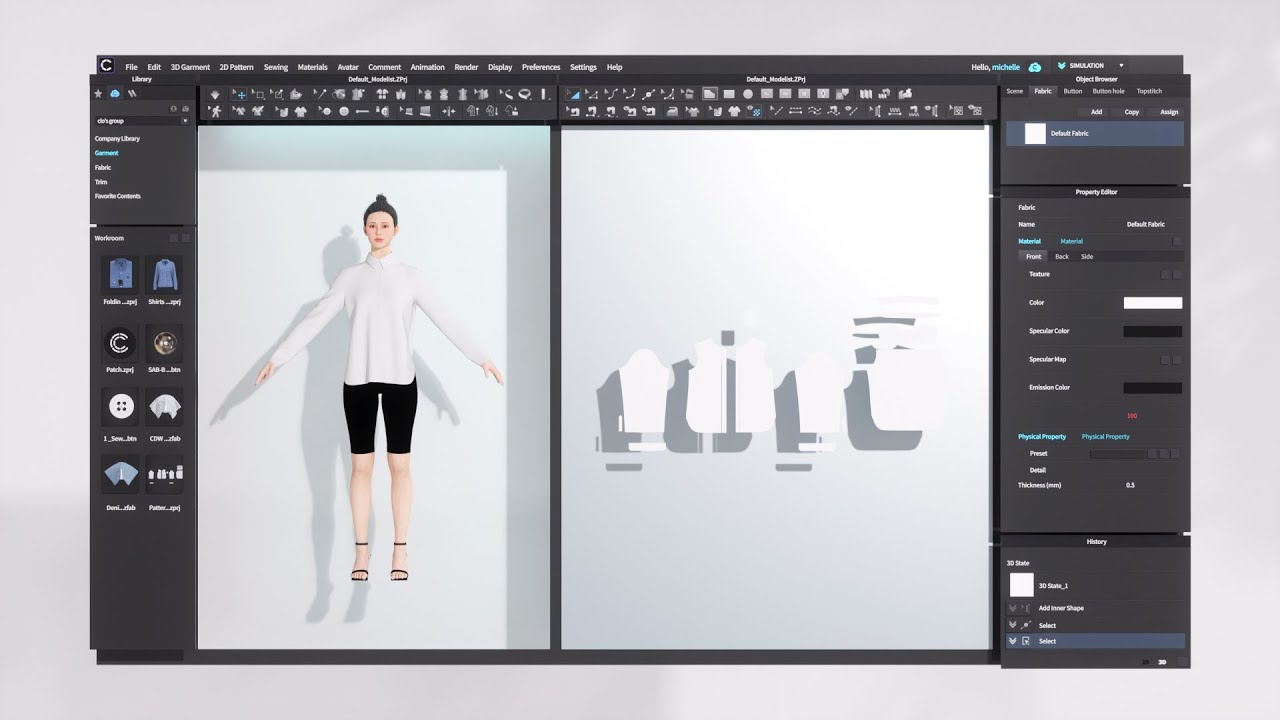
Today, we work with 4.0/5.0 industry technologies in the fashion industry. Here, 4.0 technologies specifically include smart technologies, real-time data, and fast connectivity among corporations. In the context of fashion design, 4.0 technologies directly impact how we design, manufacture, and sell the products. Similar to how customers perceive and buy our products. Digital Fashion gives us a virtual platform to showcase designs, clothing, trends, and offer sustainable alternatives. The 3D software designs used in the fashion industry could substantially reduce waste, create personalized clothing, and strengthen the designer-consumer relationship. The two major advancements in fashion industry are said to be (1) Social Media, and (2) E-commerce.
Smart & Micro Factories: Both smart and micro factories provide all-in-one, faster, localized, cheap, and eco-friendly production, boosting the national economy and employment opportunities.
Integrated Shopping Experience: The shopping experience has become a digital-physical integration of expectations where consumers want immediate and personalized services. For eg, smart mirrors, digital fitting rooms, and flexible options on commercial websites.
Digitization: It is a process of digitally representing tangible items & characteristics of products.
Digitalization: It refers to iterating and refining processes for enforcing digital technology and data.
Digital Transformation: It involves expanding a business with the help of digitalization.
Digital Strategy: This strategy is used to grow and improve business processes aided by technology.
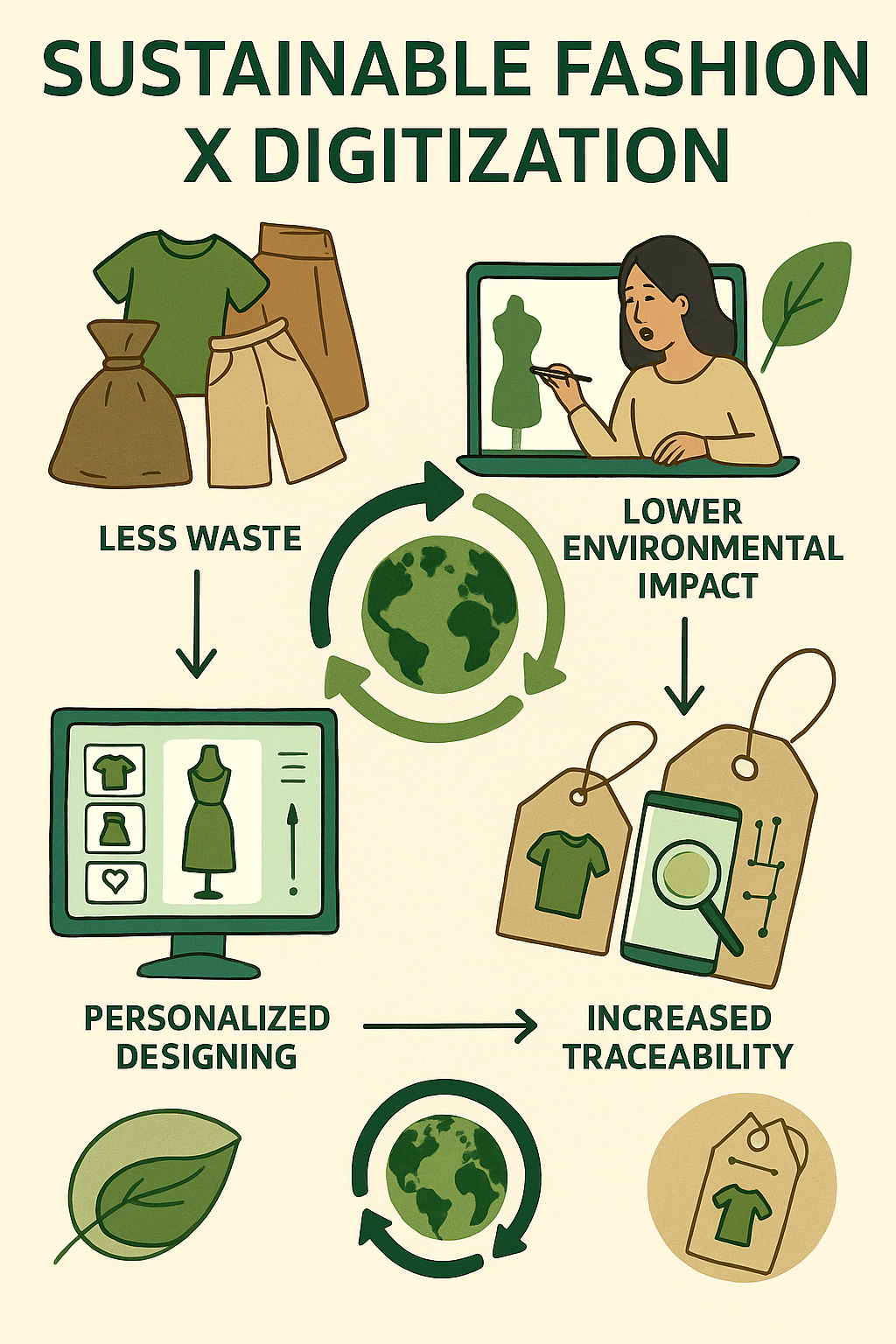
Sustainability X Digitization: The concept of sustainability is enhanced using digitization, such as digital fashion reduces waste, fosters innovations and traceability, and assists in personalized work with a lower carbon footprint.
Luxury fashion X Digitization: Due to tech-driven concepts like fast fashion and social media, luxury fashion has transitioned and been impacted due to consumers' changed preferences and shifts in brand loyalty dynamics.
Platforme: It is a digital platform used across luxury brands to provide facilities like digital twin, and ddigitt which assists in digitizing the fashion industry's articles.
Circular fashion X Digitization: Powered by digitization, circular fashion has revolutionized into realms like resale, rental, and swapping. This has helped to build powerful communities, increasing the product lifecycle, and perpetuating sustainable fashion practices.
Monetization streams in fashion: Moneymaking opportunities have amplified with the digitization of products with the introduction of digital twins, gaming likethe Roblox app, and virtual reality environments opening new income sources and engagement/promotion models.
References
Chiles, S., & Holden, L. (n.d.). Digital fashion mindset [Online Course]. Parsons School of Design – The New School, Coursera. https://www.coursera.org/learn/digital-fashion-mindset
Credit: ChatGPT generated image